An upholstered wall does three things at once: it frames the bed or the sofa, it softens the sound in the room, and it adds a texture no paint can match. The style you choose decides how the room reads.
Channel panels
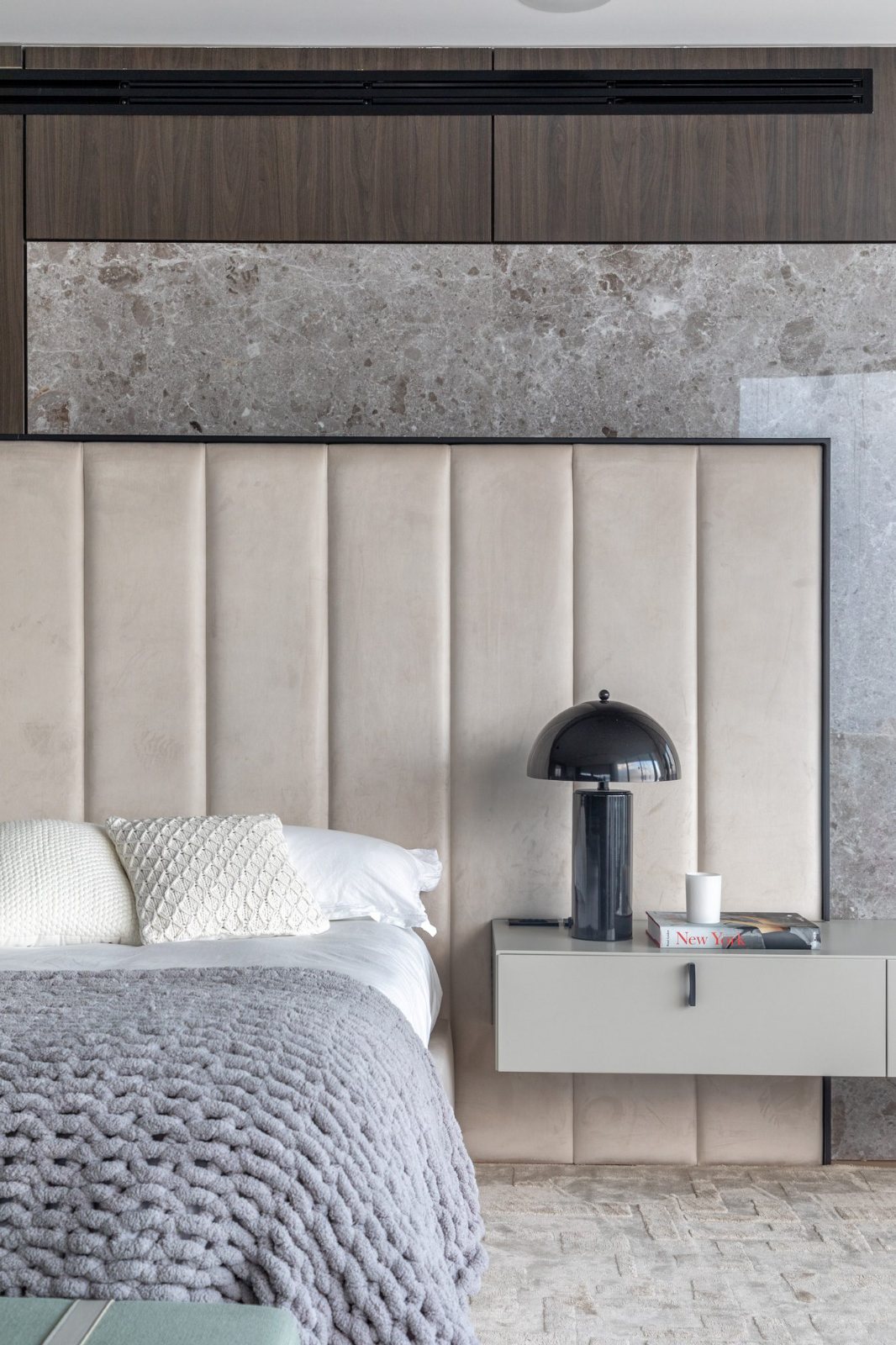
Channels are long, padded stripes, sewn or built as separate sections. They are the most requested style today because they feel tailored without being fussy.
- Vertical channels draw the eye up and make a ceiling feel taller. They work beautifully behind a bed, running floor to ceiling.
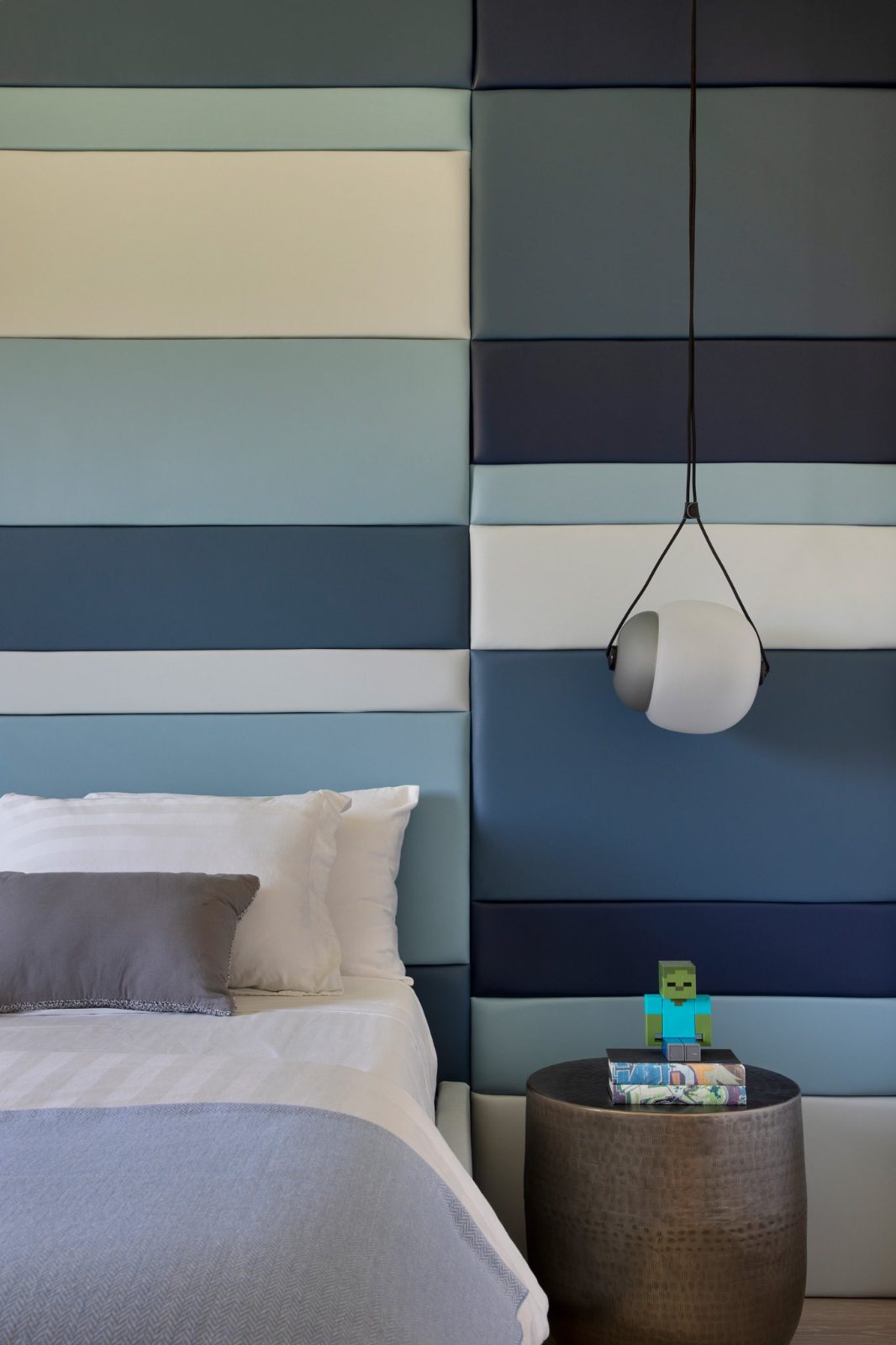
- Horizontal channels stretch a wall and calm a long room. They suit media walls, banquettes and wide headboards.
- Channel width matters: narrow channels look modern and graphic; wide channels look softer and more relaxed.
Tufted panels
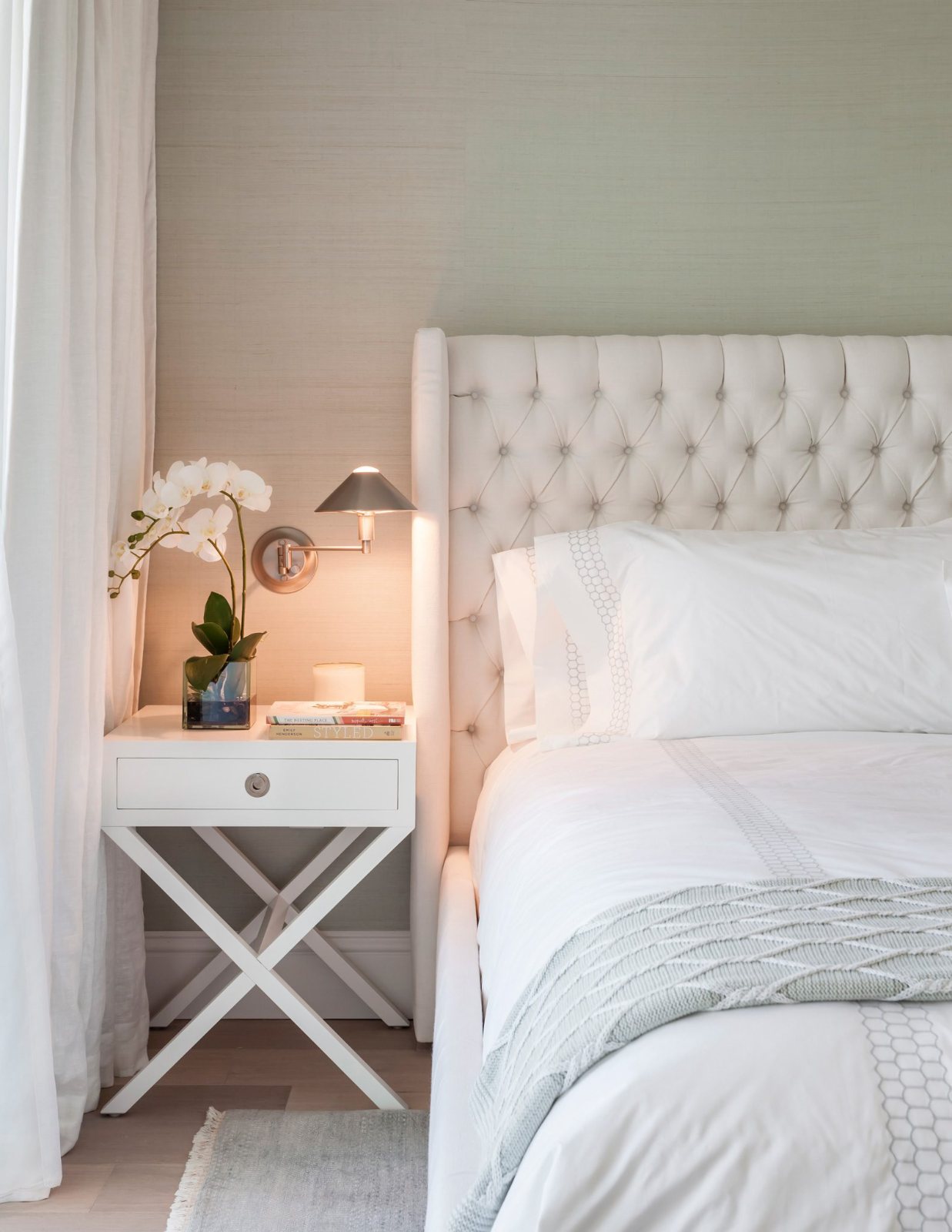
Tufting pulls the fabric into the padding with buttons or stitches, creating diamonds or squares. It is the classic choice for a hotel-style headboard or a formal room.
Deep tufting gives more shadow and drama. Shallow, buttonless tufting keeps the pattern but feels lighter and more current.
Flat (plain) panels
Flat panels are padded but without stitched lines. They let the fabric itself be the star, which makes them the best option for a bold pattern, a velvet or a leather.
A simple rule: the more interesting the fabric, the simpler the panel should be.
Wall to wall, or just behind the bed?
A panel can be the size of a headboard, run the full width of the wall, or go floor to ceiling. Full-height panels make the strongest statement and also absorb the most sound, which is why they are common in bedrooms, home theaters and hotel rooms.
Choosing the fabric
- Bedrooms: velvet, linen blends and boucle feel soft to the touch.
- Kids' rooms and rentals: performance fabrics that clean easily.
- Coastal homes and yachts: fabrics made for humidity and sun.
Every wall is different, so we always measure on site before building. If you are thinking about an upholstered wall, send us a photo of the space and we will help you pick the style that fits.